




Why Is Tsum Valley Called the Hidden Valley of Nepal?
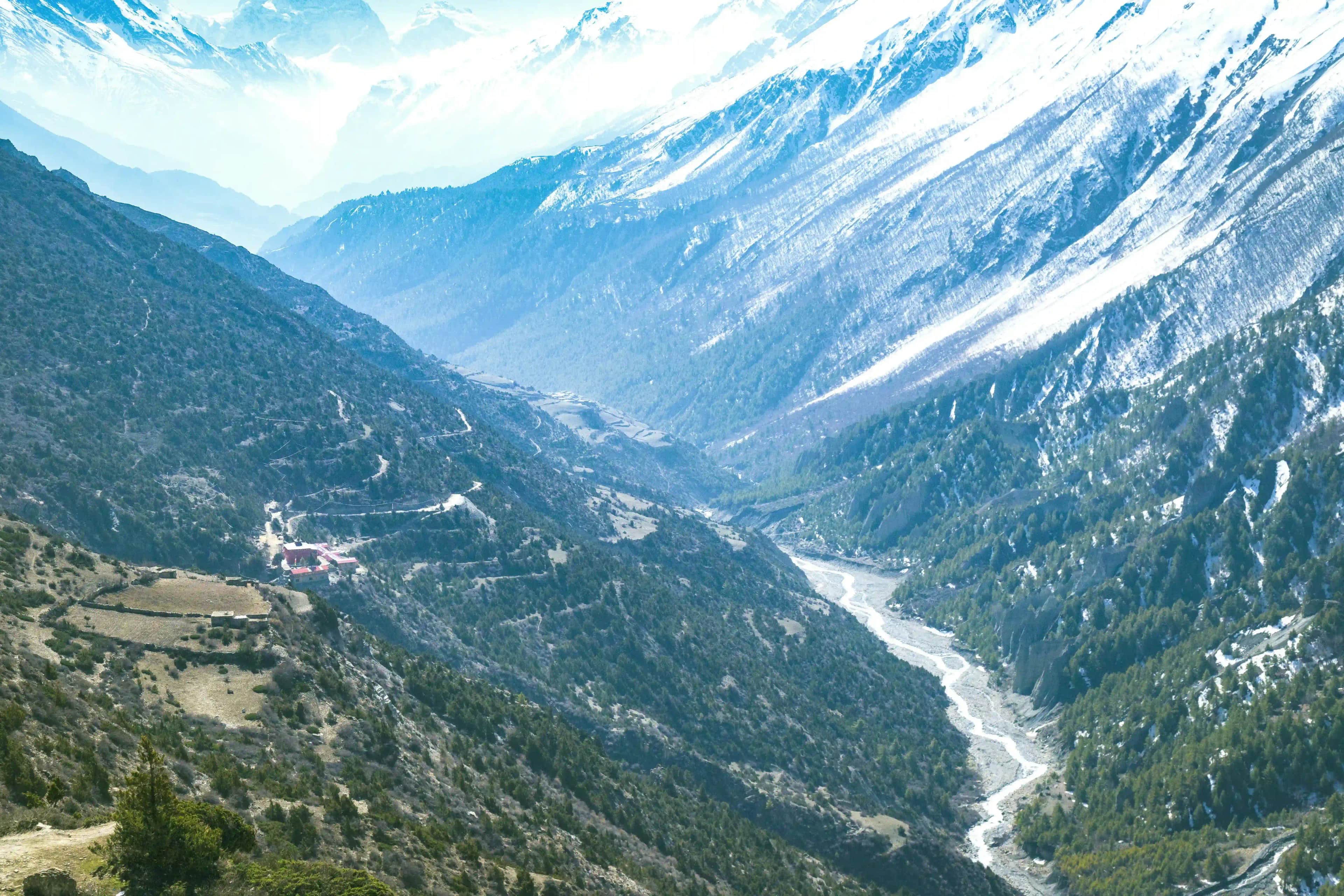
Nepal’s Himalayas are dotted with breathtaking valleys, each offering its own unique landscapes, culture, and trekking adventures. Yet, among them, Tsum Valley stands apart as a place of mystery, spirituality, and cultural preservation. Often called the Hidden Valley of Nepal, Tsum has remained isolated for centuries, hidden behind towering peaks and protected from mainstream tourism. This valley promises more than just scenic beauty—it’s a journey into a world where tradition, spirituality, and natural wonder converge.
So, what makes Tsum Valley earn this title, and why should every trekking enthusiast consider exploring it? Let’s dive deep.
Tsum Valley Trek: Discover Nepal’s Hidden Valley
Located in the northern Gorkha District, Tsum Valley lies within the Manaslu Conservation Area, bordered by the Ganesh Himal, Sringi Himal, and Baudha Himal ranges. Its geographic isolation is the first reason it is considered hidden. Until 2008, foreigners were not allowed to enter the valley, preserving its landscapes, culture, and way of life.
Even today, trekking into Tsum requires a restricted area permit and a licensed guide. These measures ensure that the valley remains untouched, maintaining its pristine environment and authentic cultural experiences. Unlike popular trekking destinations such as Everest or Annapurna, Tsum Valley remains a secret for those willing to venture deeper into Nepal’s rugged terrain.
Why Tsum Valley Is Called the Hidden Valley of Nepal
Tsum Valley’s hidden status is not just geographic—it is spiritual, cultural, and ecological.
- Geographic Seclusion: High ridges and deep river valleys surround Tsum, shielding it from casual visitors.
- Limited Access: Trekking permits and guide requirements preserve the valley’s traditions.
- Cultural Preservation: The valley has maintained its Tibetan Buddhist practices for centuries.
- Spiritual Importance: Recognized as a sacred beyul, or hidden valley, in Tibetan Buddhism.
The combination of these factors creates a valley that feels untouched by modern life—a rare glimpse into Himalayan traditions and lifestyles that have survived for generations.
The Spiritual Heart: Tsum Valley as a Sacred Beyul
Tsum Valley is not just physically hidden; it is spiritually significant. In Tibetan Buddhism, a beyul is a sacred hidden valley established by saints like Guru Padmasambhava to serve as sanctuaries during times of political or social upheaval. Tsum is considered one of these sacred valleys, often called the Hidden Valley of Happiness.
Visitors encounter monasteries, meditation caves, prayer flags, chortens, and mani walls, all signifying the valley’s spiritual heritage. Many trekkers report a profound sense of peace and reflection while exploring Tsum, making it more than a trekking destination—it is a spiritual journey.
Cultural Heritage of the Tsumba People
The Tsumba people, indigenous to the valley, have maintained their language, customs, and Tibetan Buddhist traditions for centuries. Life revolves around farming, herding, and religious practice, giving trekkers a rare opportunity to witness authentic Himalayan culture.
Key Traditions and Festivals
- Losar (Tibetan New Year): Celebrated with masked dances, prayers, and community feasts.
- Shyagya Tradition: The practice of non-violence, with hunting forbidden within the valley.
- Monastery Rituals: Daily chants and ceremonies at Mu Gompa and Rachen Gompa.
These practices reflect a culture untouched by commercialization, offering an immersive cultural experience for trekkers.
Tsum Valley Trekking Experience: Trails, Villages, and Himalayan Views
The trek to Tsum Valley usually begins from Soti Khola or Arughat, taking 6–8 days to reach the upper villages such as Chumling, Chhokang Paro, and Chhekampar. Along the way, trekkers pass through:
- Dense forests of rhododendron, oak, and pine.
- Suspension bridges crossing the Budhi Gandaki River.
- Traditional villages with stone houses, prayer flags, and terraced fields.
The altitude ranges from 600 meters in the lower valley to over 3,500 meters in the upper settlements, allowing trekkers to acclimatize gradually. Compared to Everest or Annapurna, Tsum offers a quiet, solitary trekking experience, ideal for those seeking peace and reflection.
Life in Tsum Valley Villages
Tsum villages are small, tightly-knit communities where life moves at a natural pace. Villagers primarily grow barley, wheat, and potatoes, while yak and goat herding supplements their livelihood. Homes are constructed from stone and wood, and every household often features prayer flags and mani walls, blending daily life with spiritual devotion.
Trekkers experience:
- Traditional meals like thukpa, momos, and po cha (butter tea).
- Homestay accommodations offer warmth, comfort, and interaction with local families.
- Cultural immersion in village life, festivals, and daily spiritual practices.
Sacred Monasteries and Meditation Caves
Tsum Valley is dotted with ancient gompas and meditation sites that enhance its spiritual aura:
- Mu Gompa: The largest monastery, center for meditation and learning.
- Rachen Gompa: Known for murals and daily rituals, often inhabited by nuns.
- Dephyudonma & Lungdang Gompas: Historic sites preserving sacred texts and traditions.
Many trekkers report that visiting these sites evokes a deep sense of calm and reflection, making Tsum more than a trek—it is a journey into a sacred landscape.
Wildlife and Ecological Preservation
The valley’s isolation has allowed wildlife and natural habitats to flourish. Tsum Valley is part of the Manaslu Conservation Area, and trekkers are expected to follow strict environmental guidelines:
- Wildlife includes snow leopards, red pandas, Himalayan tahr, and musk deer.
- Visitors must minimize plastic use, avoid littering, and practice leave-no-trace principles.
- The valley’s forests, alpine meadows, and river systems create a biodiversity hotspot, making it perfect for nature enthusiasts and photographers.
Practical Tips for Trekking Tsum Valley
To enjoy a safe and memorable trek:
- Permits: Obtain a Tsum Valley Restricted Area Permit and a Manaslu Conservation Area Permit through a licensed trekking agency.
- Best Season: Spring (March–May) and Autumn (September–November) provide clear skies and pleasant weather.
- Guides and Porters: Hiring a local guide enriches the experience with cultural insights; porters make the trek comfortable.
- Accommodation: Guesthouses are basic but cozy, offering home-cooked meals.
- Altitude Preparation: Villages above 3,500 meters require acclimatization; plan extra rest days to prevent altitude sickness.
Why Tsum Valley Is More Than Just a Trek
Tsum Valley offers a holistic trekking experience:
- Physical: Moderate trekking challenges with scenic variety.
- Mental: Encourages mindfulness and respect for local traditions.
- Spiritual: Meditation, reflection, and sacred spaces provide inner peace.
Few Himalayan destinations combine scenic beauty, cultural richness, and spiritual depth like Tsum Valley.
Conclusion: The Hidden Valley Awaits
Tsum Valley’s title as the Hidden Valley of Nepal is not just a name—it’s an invitation. An invitation to explore a place where nature, spirituality, and culture merge seamlessly. For trekkers looking for an off-the-beaten-path adventure, Tsum Valley offers serenity, breathtaking landscapes, and a glimpse into timeless traditions.
Ready to explore Nepal’s Hidden Valley? Let Himalaya Vibes Holidays guide you through the pristine trails, sacred monasteries, and breathtaking landscapes of Tsum Valley.
If the remote valleys, ancient monasteries, and breathtaking Himalayan landscapes of Tsum Valley have inspired your next adventure, Himalaya Vibes Holidays has the perfect journey for you. Our expertly crafted Tsum Valley Manaslu Circuit Trek combines cultural immersion, scenic beauty, and authentic trekking experiences to help you discover one of Nepal’s most remarkable regions. Explore our Tsum Valley Manaslu Circuit Trek package and take the first step toward an unforgettable Himalayan adventure.