




How Difficult Is the Annapurna Circuit Trek?
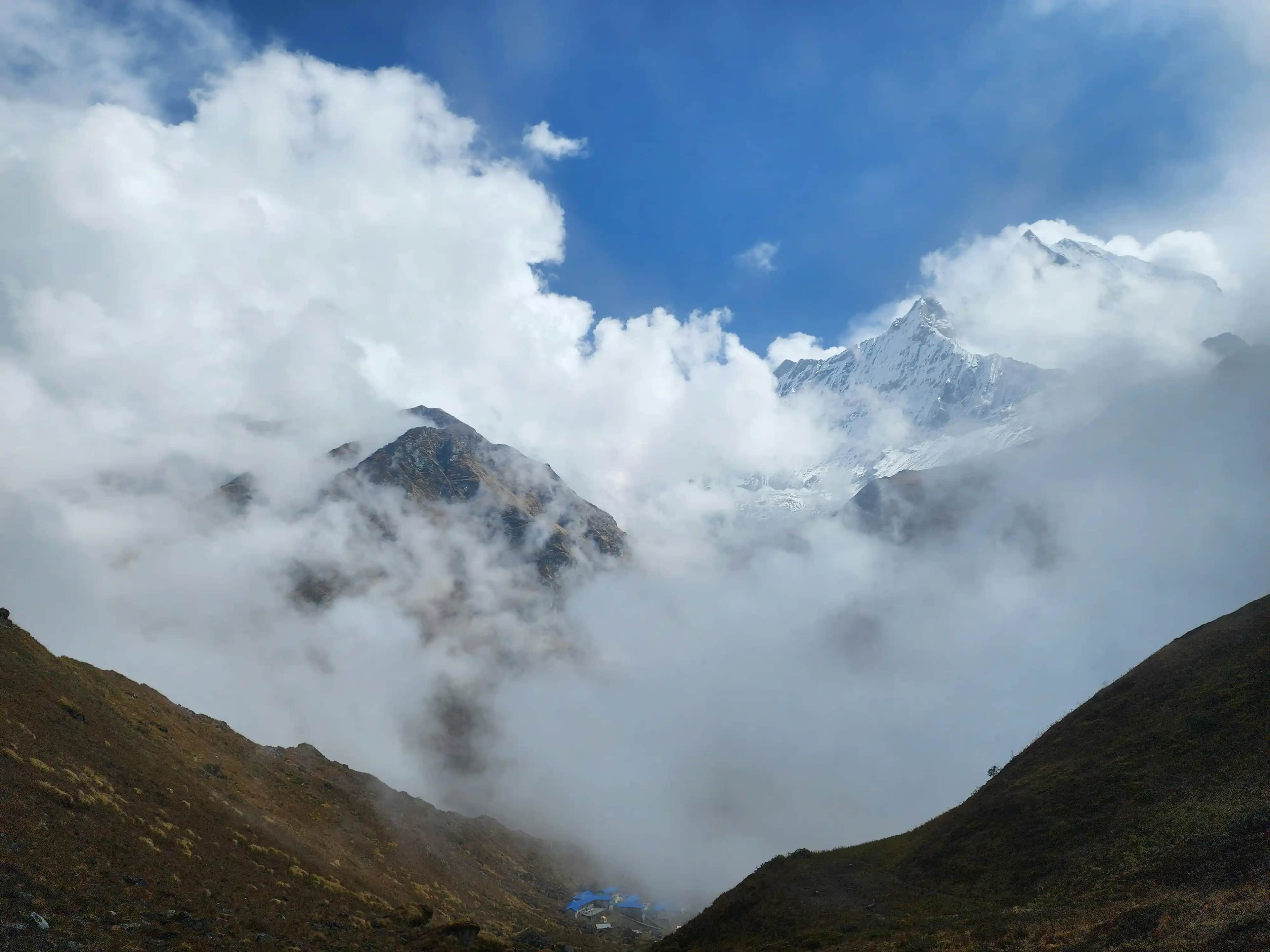
The Annapurna Circuit Trek is one of Nepal’s most famous trekking routes, celebrated for its breathtaking landscapes, cultural diversity, and unique Himalayan experiences. But before embarking on this adventure, many travelers ask: How difficult is the trek really? Understanding the difficulty level is crucial—not just to prepare physically, but also to manage expectations, ensure safety, and enjoy the journey to the fullest.
In this guide, we break down the Annapurna Circuit Trek’s physical demands, altitude challenges, weather conditions, and mental hurdles in detail. Whether you are a first-time trekker or an experienced hiker, this guide will help you prepare thoroughly and trek with confidence.
Overview of the Annapurna Circuit Trek: Distance, Duration, and Trail Highlights
The Annapurna Circuit spans approximately 160–230 kilometers (100–145 miles), depending on the route, side trips, and starting point. Most trekkers complete the journey in 12–21 days, starting from Besisahar or Syange and ending at Muktinath, often followed by a flight or road transfer to Pokhara.
This trek is unique because it covers multiple climate zones and landscapes. Starting in subtropical forests with lush greenery and river valleys, it gradually transitions to terraced farmlands, alpine meadows, and finally, high-altitude desert near the Thorong La Pass at 5,416 meters (17,769 feet). Along the way, trekkers experience remote villages, Buddhist monasteries, and diverse local cultures, including the Gurung, Manangi, and Thakali communities.
The trail is non-technical, but its length, altitude, and varying terrain make it physically and mentally challenging. Proper planning, pacing, and acclimatization are key to enjoying the trek safely.
Physical Challenges of the Annapurna Circuit Trek: Walking, Terrain, and Endurance
One of the main reasons trekkers find the Annapurna Circuit difficult is the physical demand of consecutive walking days. Average trekking days involve 5–8 hours of walking, with some high-altitude sections reaching 8–10 hours. The lower sections, like Besisahar to Chame, are relatively easy, meandering through forests and farmlands. However, from Chame to Manang, the trail becomes rocky, steep, and uneven, testing both stamina and balance.
The trek also involves significant ascents and descents. Steeper sections, particularly near Manang and Thorong La Pass, require strong legs and core stability. Descending from Thorong La to Muktinath is equally challenging, putting stress on knees and calves.
To prepare physically:
- Endurance walking or hiking: Build stamina for long days on the trail.
- Stair climbing and hill workouts: Strengthen leg muscles for steep ascents.
- Core and leg training: Squats, lunges, and planks help with downhill control.
- Backpack practice: Simulate carrying 5–8 kg during training walks.
Even moderate sections become tiring over consecutive days, making physical conditioning essential for completing the trek comfortably.
Altitude Challenges: Acclimatization, Risks, and Safety Tips
Altitude is arguably the most critical factor in determining the trek’s difficulty. As you climb above 2,500 meters, oxygen levels drop, and by the Thorong La Pass at 5,416 meters, oxygen availability is almost 50% of what it is at sea level.
Altitude sickness can manifest as:
- Headaches
- Nausea or vomiting
- Dizziness and lightheadedness
- Fatigue and shortness of breath
Severe altitude sickness can lead to high-altitude pulmonary edema (HAPE) or high-altitude cerebral edema (HACE), both life-threatening conditions.
Acclimatization strategies to reduce difficulty include:
- Schedule rest days in Manang or similar high-altitude towns.
- Follow the principle of “climb high, sleep low”, ascending during the day but sleeping at a lower altitude.
- Stay hydrated and maintain a carbohydrate-rich diet for energy.
- Monitor your body, and descend immediately if severe symptoms appear.
Proper acclimatization not only reduces the risk of altitude sickness but also improves energy levels, endurance, and overall trekking comfort.
Weather and Seasonal Impact on Trek Difficulty
The Annapurna Circuit passes through multiple climate zones, each presenting unique challenges.
- Subtropical river valleys: Warm, humid, and lush.
- Alpine meadows: Cooler, drier, and windy.
- High-altitude desert near Thorong La: Cold, dry, and exposed to strong winds.
Weather can change rapidly, particularly in alpine regions. Rain, snow, and strong winds are common, and trekkers must be prepared for sudden temperature drops and icy patches.
Seasonal timing significantly affects difficulty:
- Autumn (September–November): Clear skies, moderate temperatures; best trekking season.
- Spring (March–May): Moderate temperatures, blooming rhododendrons; another ideal season.
- Monsoon (June–August): Slippery trails, landslides, and heavy rainfall increase risk and effort.
- Winter (December–February): Snow and ice make Thorong La Pass and high sections more physically and mentally demanding.
Selecting the right season reduces environmental challenges, enhances safety, and improves overall trekking experience.
Mental and Psychological Challenges: Staying Motivated on the Trail
The Annapurna Circuit is not only physically demanding but mentally challenging. Early mornings, long trekking days, and remote landscapes test your mental endurance. Maintaining focus and motivation becomes critical, particularly in high-altitude sections with less oxygen and limited social interaction.
Accommodation along the trail, especially at higher altitudes, is basic. Trekkers can expect shared rooms, limited hot water, and simple meals. Adjusting to these conditions while maintaining energy and morale is an often-overlooked mental challenge.
Mental preparation, resilience, and patience are as important as physical training for completing the trek successfully.
Segment-by-Segment Difficulty: Understanding Each Section of the Trek
Breaking the trek into key segments helps understand changing difficulty:
- Lower Sections (Besisahar to Chame): Easy to moderate; ideal for warming up.
- Mid-Trek (Chame to Manang): Moderate with increasing altitude and longer walking hours.
- High-Altitude Zones (Manang to Thorong La): Hard; steep trails, thin air, and cold conditions.
- Thorong La Pass Day: Very hard; early morning climb, cold, and long hours.
- Descent to Muktinath: Challenging on knees and calves; requires careful pacing.
- Lower Descent (Muktinath to Jomsom): Easier; gradual descent and lower altitude.
Planning rest days and energy distribution according to these segments ensures a safer and more enjoyable trekking experience.
Who Should Attempt the Annapurna Circuit Trek
The trek is suitable for:
- Trekkers with moderate to strong physical fitness
- Those comfortable with long consecutive walking days and altitude exposure
- Beginners willing to trek with guides or organized groups for support
Although the trail has no technical climbing sections, it demands stamina, endurance, and mental focus. Beginners who properly prepare physically, mentally, and logistically can complete the trek safely and comfortably.
Preparation Tips for the Annapurna Circuit Trek
Proper preparation significantly reduces perceived difficulty. Key recommendations:
- Physical Training: Focus on hiking, stair climbing, cardio, and leg and core exercises.
- Gear: Trekking boots, poles, layered clothing, sleeping bag, rain gear, and backup essentials.
- Nutrition & Hydration: Eat carbohydrate-rich meals, carry energy snacks, and drink plenty of water.
- Altitude Awareness: Learn and monitor symptoms of altitude sickness.
- Mental Preparation: Prepare for long days, remote trails, and simple living conditions.
Investing in preparation improves safety, comfort, and enjoyment, ensuring the trek becomes a rewarding adventure rather than an overwhelming challenge.
Common Misconceptions About Annapurna Circuit Difficulty
Many assume the trek’s difficulty is only about distance or elevation gain. In reality, it is a combination of:
- Long consecutive walking days
- Variable terrain and weather conditions
- High-altitude exposure
- Mental and logistical challenges
Even less-experienced trekkers can complete the trek successfully with gradual acclimatization, preparation, and pacing. The difficulty can be managed with proper planning.
Conclusion: Why the Annapurna Circuit Trek Is Challenging but Rewarding
The Annapurna Circuit Trek is moderate to very challenging, depending on fitness, preparation, and acclimatization. Key difficulty factors include:
- Long daily walking distances over varied terrain
- Steep ascents and descents
- High-altitude exposure and acclimatization needs
- Variable weather and seasonal extremes
- Mental resilience for isolation and basic accommodations
Despite the challenges, the trek offers unforgettable Himalayan vistas, cultural immersion, and the personal achievement of crossing Thorong La Pass. With proper preparation, physical training, and pacing, this trek is achievable, safe, and immensely rewarding, making it a must-do for any trekking enthusiast.
Ready to Experience the Himalayas Like Never Before?
Contact Himalaya Vibes Holidays for expertly guided treks, personalized itineraries, and unforgettable Himalayan adventures.