




Festival Trekking in Nepal: Practical Tips for Every Traveler
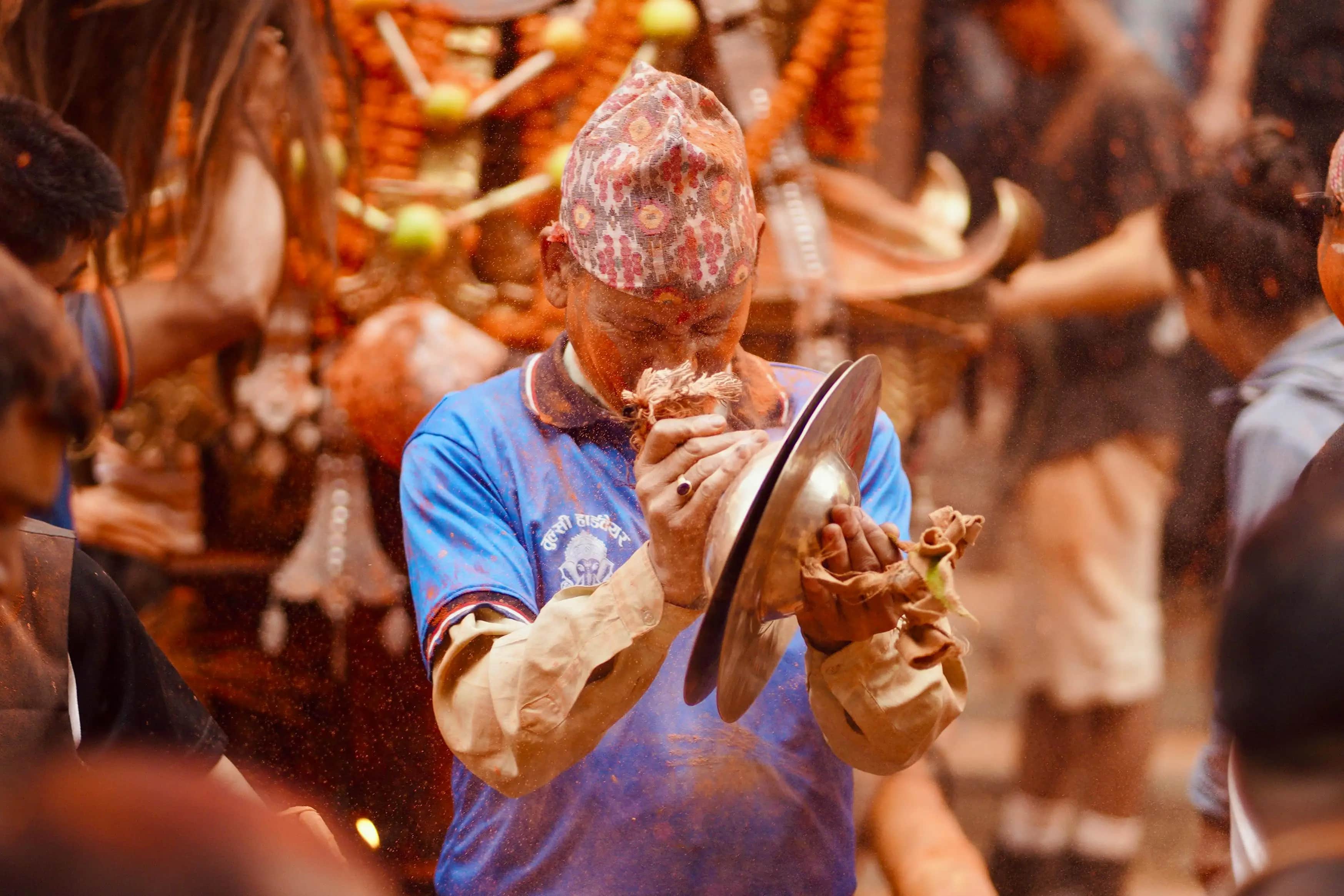
Nepal’s towering peaks often steal the spotlight, but the real soul of the Himalayas lives in its villages. At 10,000 feet and beyond, life does not revolve around summits—it revolves around seasons, rituals, and celebrations passed down for generations. For travelers craving depth over distance, trekking during a festival offers something far more lasting than a summit photo.
A festival trek turns your journey into a shared experience. Instead of counting altitude gains, you count conversations, drumbeats, shared meals, and moments of quiet awe inside ancient monasteries. This is meaningful travel at its purest.
Festivals as the Heartbeat of Himalayan Villages
In the Himalayas, festivals are not side events—they are the calendar itself. They mark harvests, honor deities, celebrate community bonds, and keep oral traditions alive in places untouched by modern tourism.
Walking into a village during Tihar or Mani Rimdu feels like stepping into a living story. Homes glow with butter lamps, prayer flags flutter in the mountain wind, and courtyards fill with music and laughter. Unlike curated cultural shows, these festivals unfold organically, rooted in belief rather than performance.
More than 60 percent of trekkers visiting Nepal during peak autumn season report missing local festivals because they focus solely on popular routes like Everest Base Camp or Annapurna. Aligning your trek with festival dates dramatically increases cultural immersion and human connection.
Plan your journey around the lunar calendar. Spring and autumn not only offer the best trekking conditions but also host the most culturally significant celebrations.
Top Nepalese Festivals Perfect for Trekkers
Nepal’s festival calendar aligns naturally with trekking seasons, making it possible to experience both cultural depth and Himalayan landscapes in one journey.
Mani Rimdu in the Everest Region
Celebrated at Tengboche Monastery and nearby villages, Mani Rimdu is one of the most spiritually powerful festivals in the Khumbu region. Over several days, monks perform masked dances, chants, and fire rituals that symbolize the victory of compassion over chaos.
The festival takes place during autumn, when skies are clear and mountain visibility is at its best. Visitor numbers in Tengboche increase by 30–40 percent during Mani Rimdu, yet the experience remains deeply spiritual rather than commercial.
Kumje and Dumche in the Manaslu Region
Far from the crowds of Everest, the Manaslu region hosts Kumje and Dumche festivals—deeply rooted Tibetan Buddhist celebrations marked by ritual dances and communal ceremonies.
Villages such as Samagaun and Samdo become cultural gathering points, with attendance often exceeding 1,000 people during festival days—nearly double the usual population. These festivals offer rare insight into Gurung, Tamang, and Tibetan traditions that have remained unchanged for centuries.
Tihar Across the Hills and Lower Himalayas
Tihar, the festival of lights, celebrates the bond between humans, animals, and gods. Each day honors a different relationship—dogs, cows, siblings, and the goddess Lakshmi.
Because Tihar is celebrated nationwide, even lower-altitude cultural treks can align with it. Around 75 percent of Nepali households actively participate, making it one of the most immersive experiences for travelers seeking everyday cultural life rather than ceremonial grandeur alone.
Why Choosing a Festival Trek Transforms Your Journey
A festival trek shifts the purpose of trekking itself. It replaces the mindset of conquest with one of participation.
Instead of rushing to meet altitude targets, you slow down. You sit with elders, learn local songs, help prepare festival meals, and witness rituals that shape village life. These experiences stay with travelers long after the trek ends.
Survey data shows that cultural festival routes are approximately 40 percent less crowded than mainstream trekking trails during the same season. Villages like Tsum Valley, Namrung, and Samdo offer the ideal balance of moderate trekking, cultural depth, and tranquility.
Festival treks do not remove adventure—they redefine it.
Planning Your Cultural Trek
Festival treks require intention, flexibility, and respect for local rhythms. Dates are often determined by lunar calendars and may vary year to year.
Autumn, from September to November, and spring, from March to May, remain the best seasons, offering stable weather and safer trails. Hiring certified local guides is essential, not just for navigation but for cultural interpretation. Porters allow you to travel lighter and stay present during celebrations.
Accommodation is usually limited to tea houses and homestays. Booking early is critical during festival periods. Even cultural treks reach elevations between 3,500 and 4,500 meters, so acclimatization days are non-negotiable. Between 2019 and 2023, 12 percent of trekkers experienced altitude-related illness due to poor acclimatization.
Cultural Insights You’ll Gain
Festival treks offer rare insight into Himalayan social life. You witness how spirituality shapes daily routines, how leadership roles emerge during ceremonies, and how communities function collectively in remote environments.
Music, masked dances, and chants performed during festivals preserve ancient storytelling traditions rarely documented elsewhere. Studies indicate that 95 percent of travelers attending local festivals report a deeper understanding of Nepali culture compared to those on standard trekking itineraries.
Keeping a journal helps preserve these moments—conversations, recipes, and stories often matter more than photographs.
Connecting With the Himalayan Spirit
At high altitude, festivals take on a different meaning. They are shaped by geography, seasons, and survival itself.
You connect with people who have lived in harmony with the mountains for generations. You understand how rituals align with nature’s cycles. And somewhere along the trail, you reconnect with yourself—away from noise, deadlines, and expectations.
A 2022 trekking survey found that travelers who participated in local festivals reported 30 percent higher overall satisfaction than those focused solely on summits. In the Himalayas, meaning often lives below the peaks.
Tips for a Successful Festival Trek
- Book early, especially for homestays.
- Respect local customs, dress codes, and photography etiquette.
- Travel light to stay flexible on the trail.
- Learn basic Nepali greetings—they go a long way in building rapport.
- Stay adaptable; festival schedules can change, and unpredictability is part of the experience.
Thinking of trekking in Nepal beyond the usual routes?