



Can a Drone Fly Across the Everest Base Camp Trek? A Detailed Guide for Trekkers
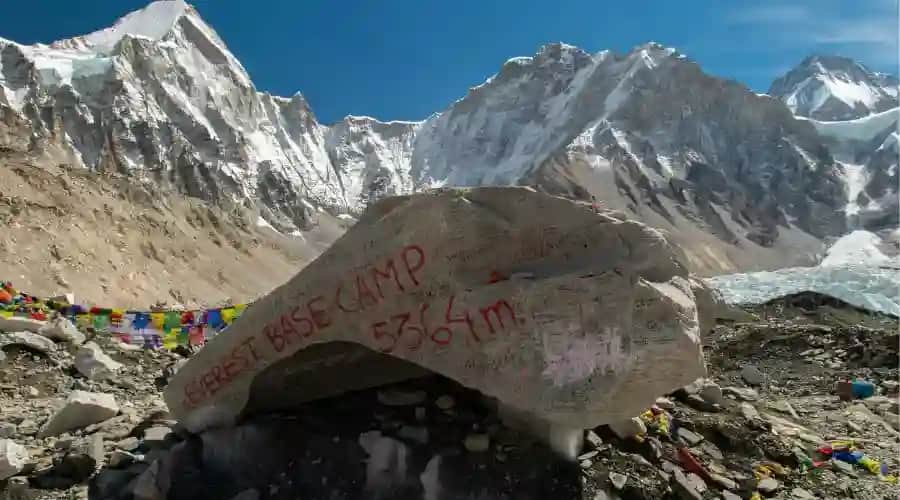
The Everest Base Camp (EBC) trek is one of the most iconic journeys any adventurer can undertake. Towering peaks, Sherpa culture, and breathtaking landscapes make this trek a bucket‑list experience. It’s no surprise that many trekkers wonder whether they can capture those views from the air using a drone. But before you pack your drone in the same bag as your down jacket and trekking boots, it’s important to understand what the rules really are and what you can realistically expect.
Let’s walk through everything you need to know — from Nepal’s drone laws to practical considerations on the trail — clearly and conversationally.
First Things First: Nepal’s Drone Regulations
If you’re planning to bring a drone to Nepal, you should know that drone flight is not treated as a casual activity here. The Civil Aviation Authority of Nepal (CAAN) regulates all drone flights in the country, whether for personal use, commercial filming, or research.
In Nepal, prior permission is required before flying any drone. This is true even if your drone is small or lightweight. The CAAN has specific procedures for approval, and some strict limits around altitude and distance.
Here’s a quick summary of what the rules typically require:
- All drones must be registered and assigned a Unique Identification Number (UIN).
- Operators must be of legal age and have a basic understanding of drone operation.
- Drones must remain in visual line‑of‑sight and generally fly no higher than about 120 meters (394 feet) above ground.
- Flying near airports, military or government installations, or in sensitive airspace is prohibited.
These rules are designed to protect air safety and national security, and to ensure drones do not disturb people, wildlife, or critical infrastructure.
Why the Everest Region Is Special
Now let’s focus on the Everest region itself. The entire trek from Lukla up to Everest Base Camp lies within Sagarmatha National Park, a protected area and UNESCO World Heritage Site.
Protected zones like this are not treated like open farmland or city parks, where recreational drone use might be common. Instead, they are environmentally sensitive areas with fragile ecosystems, cultural heritage sites, and — importantly — frequent helicopter traffic.
Helicopters are a regular sight throughout the Khumbu region, used for rescue operations, logistical support, and supply runs. Because of the risk of interference between drones and manned aircraft, authorities take airspace control very seriously.
In practical terms, this means that you cannot simply fly your drone whenever you want on the Everest Base Camp trek. Recreational flying — even with a small drone — is effectively prohibited without special permissions.
What Permits Are Required (and What Makes It Hard)
If you really want to fly a drone legally in the Everest region, you must go through an approval process that involves multiple authorities:
- Civil Aviation Authority of Nepal (CAAN): This agency regulates the airspace and issues official permissions.
- Ministry of Home Affairs: Security clearance is typically required, particularly for foreign visitors.
- Department of National Parks and Wildlife Conservation (Sagarmatha National Park Office): Since the EBC route lies inside a national park, you must get approval from conservation authorities.
- Local Administrative Offices: The District Administration Office and local municipality (e.g., Khumbu Pasang Lhamu Rural Municipality) may also need to sign off.
This multi‑layered system is one reason why obtaining a permit for Everest is much more complex than simply registering a drone in Kathmandu or Pokhara.
The process can take several weeks and involves detailed documentation, including your flight plans, the purpose of the flight, drone specifications, and sometimes even letters of sponsorship or justification. Even after you submit everything, approval is not guaranteed.
For many trekkers and filmmakers, this process can take 15 to 45 days or more, and costs may run into thousands of US dollars — especially if you are trying to get an exemption for something like commercial filming or professional content creation.
Can You Bring a Drone Without Flying It?
Some travellers consider bringing their drone along just to have it, even if they don’t plan to fly it. While carrying a drone with you won’t automatically lead to trouble, it may still draw attention at checkpoints or from park officials. Authorities may ask about your intentions and could inspect your gear.
If it’s clear that you plan to use the drone without permits, officials can insist on confiscation or even fines. For this reason, many trekkers choose to leave their drone in Kathmandu or Pokhara and rely on ground‑based photography instead.
What Happens If You Fly Without Permission
It is worth being clear about the consequences. If you fly a drone without official authorization in the Everest region, you could face:
- Drone confiscation by park, police, or aviation officials.
- Fines under aviation and conservation laws.
- Legal penalties that may include orders to leave the region or revocation of permits.
These outcomes can not only ruin your trek but could also carry longer‑term travel consequences.
Environmental and Cultural Considerations
Even beyond the legal and safety issues, there are strong environmental and cultural reasons why unrestricted drone use is discouraged in the Everest region.
The Himalayan ecosystems around Everest are delicate. Many plant and animal species are sensitive to noise and disruption, and conservation authorities aim to minimise impacts.
Local communities in the Khumbu region also value peace and tradition. Monasteries, prayer ceremonies, and remote villages are not always comfortable with buzzing devices overhead. Responsible travellers consider these factors when deciding how to document their trek.
Practical Drone Limitations at High Altitude
Even if you did manage to secure all the permits, you would still face practical challenges when operating a drone at high altitude.
Drone batteries lose efficiency in cold, thin air, meaning flight times are much shorter than at sea level. Winds in the mountains can be unpredictable and strong, making stable flight difficult.
GPS signal and connectivity can be less reliable in remote valleys, and sudden weather changes can pose additional risks. For these reasons, even experienced operators approach high‑altitude drone flights with caution.
These considerations reinforce why many seasoned trekkers either hire a licensed local drone operator or choose alternative filming methods.
Alternatives to Flying Your Own Drone
So if flying your own drone across the Everest Base Camp trek isn’t practical for most trekkers, what are your options?
Hire a Licensed Drone Pilot
There are professional drone operators in Nepal with the permits and experience needed to fly legally in restricted areas. Hiring such a pilot can be expensive — sometimes hundreds or even thousands of dollars — but this option avoids legal risk and ensures high‑quality footage.
Use Ground‑Based Cameras
Modern action cameras and DSLRs can capture stunning footage without any legal headaches. Tools like gimbals, panoramic shots, and time‑lapses still showcase dramatic landscapes and are far easier to manage.
Stock Aerial Footage
If you are creating commercial content or promotional material, licensed stock aerial footage of Everest exists that you can legally license and include in your project. This sidesteps all local regulations while giving your project a cinematic feel.
Final Thoughts: What Trekkers Should Know
In summary, while drone flight over the Everest Base Camp trek is not impossible in theory, it is highly impractical and rarely worth the effort for most travellers.
The regulatory hurdles — requiring multiple permits from aviation authorities, national park offices, and local administrations — combined with the time, expense, and unpredictability of approval, make this a challenge even for seasoned professionals.
For casual trekkers and content creators, the safest approach is to focus on ground‑based photography and videography, or to work with licensed operators who already have the necessary permissions.
Above all, the Everest Base Camp trek is a chance to connect with the mountains, the culture, and the people of the Khumbu. Whether through a camera lens on the ground or a drone in the air, respect for local rules and environments ensures that these experiences remain inspiring for everyone.
Ready to chase the Himalaya vibes?